YSS25YSS25
08:15 – 09:00 Registration
09:00 – 09:15 Welcome Words Vice-President Gaia Novarino | Room G
09:10 – 10:00 Federica Bertocchini – Degradable Bioplastic | Plasticentropy France | Room G
10:10 – 10:50 Parallel Short Talks
Computer science | Bioengineering | Neuroscience | Rooms E, F, G
10:50 – 11:30 Poster Session & Networking Fair
COFFEE BREAK with poster session | Foyer, Room B, C
Green Lab & Industrial Expo | Foyer
XISTA Science Innovation Quiz with the Natural History Museum | Communication area and sponsor booth fair
Heidelberg Experimental Geometry Lab | Foyer
11:30 – 12:20 Damien Woods – DNA Computing Engines | Maynooth University – Hamilton Institute | Room G
12:20 – 12:40 Fabrizio Olmeda – Phase Behavior of Cacio e Pepe Sauce | ISTA | Room G
12:40 – 13:00 Fabrizio Festa – Computational Sonology | Conservatory of Matera | Room G
13:00 – 14:00 Lunch
14:00 – 14:50 Viola Vogler-Neuling – Bio-Inspired Photonics | Adolphe Merkle Institute | Room G
15:00 – 15:30 Parallel Short Talks
Physics & Maths | Bioengineering | Chemistry | Rooms E, F, G
15:30 – 16:10 Poster Session & Networking Fair
COFFEE BREAK with poster session | Foyer, Room B, C
Green Lab & Industrial Expo | Foyer
XISTA Startup Corner | Communication area and sponsor booth fair
Heidelberg Experimental Geometry Lab | Foyer
16:10 – 17:00 Hugo Parlier – Traces | Université de Fribourg | Room G
17:00 – 18:00 Panel Discussion – Dialogue Between Industry & Academia In Research | Room G
Prudence Donovan | Entrepreneurship and Innovation Lead XISTA
Georgi Dimchev | Discovery Scientist Solgate
Angela Sessitsch | Head of Center for Health & Bioresources AIT
Edna Nyangale | Food Industry Researcher SharkNinja
Sandra Siegert | Group Leader Microglia-Neuron Interaction Lab ISTA & Co-Founder, Syntropic Medical XISTA
18:00 – 18:20 Closing Words & Poster Prize Ceremony | Room G
18:20 – 19:45 Social & Snack Session | Foyer
To download the schedule of short talks & abstracts
To download the list of posters
Plastic production continues to increase steadily, with projections exceeding one billion tons per year by 2050. The resulting accumulation of plastic waste is already causing significant environmental damage, and posing health risks to animals, including humans. Yet, effective solutions to this urgent problem are still not on the horizon. Degradation of plastics by biological means, with recovering and utilization of degradation products, has been proposed as a potential solution for several decades. However, the use of biocatalysts for plastic waste treatment remains a major challenge, especially when targeting polyolefins. This difficulty arises from the general absence of enzymatic activities capable of breaking down these highly stable and inert synthetic materials. For decades, efforts to identify enzymes that could degrade such resistant materials have been largely unsuccessful.
Recently, however, insects have emerged as promising agents for polyolefin degradation, offering a new avenue for enzyme discovery. Notably, larvae of the lepidopteran species Galleria mellonella, commonly known as wax worms, have been found to produce enzymes, belonging to the phenoloxidase family, capable of oxidizing and breaking down polyethylene (PE) within just a few hours of exposure.
Could these newly discovered enzymes provide a solution for the plastic pollution crisis?

Many of us are familiar with DNA’s simple double-stranded helical structure. It turns out that DNA strands can be woven to form rather intricate structures and devices by leveraging DNA’s information-bearing capabilities, chemical characteristics and our imaginations. In our work, we design nanoscale DNA computers that live in a test tube and are designed to stick together in very specific ways, without need of enzymes nor external chemical fuel, just a little external warmth to jiggle the molecules out of kinetic traps, and a lot of computer science theory for intellectual guidance. We’re much better at doing this with DNA than other information-bearing polymers like RNA and protein, so far anyway.
The talk will show a few ways to design molecular computers that use the process of DNA self-assembly to execute algorithms. We will then leverage ideas from physics to design and build DNA computers that are thermodynamically favoured: the correct output of a computation is energetically preferred over all error states. Beyond the conceptual innovation, such devices facilitate simple experimental protocols, progammability, resuable programs and in-built error correction, with future potential for energy-efficient DNA data storage.

Structural color underlies some of the most striking colors in nature, such as the iridescent feathers of peacocks and the vivid scales of Morpho butterflies1,2. The coloring mechanism is based on the constructive interference of light on a nanostructure and not on the absorption of wavelengths. Insects in particular display a remarkable diversity of such nanostructures, ranging from simple thin-film interference to elaborate three-dimensional photonic crystals3. To date, physicists have characterized more than 420 distinct nanostructures in butterflies. Yet, the processes by which these architectures form and their molecular composition remain poorly understood4. This long-standing puzzle, first highlighted in Helen Ghiradella’s pioneering work in 19895, is central to biomimetic fabrication of photonic nanostructures.
In insects, these nanostructures develop within a single epithelial cell in an environment rich in proteins and lipids. One promising material system capable of forming such geometries is lipidic lyotropic liquid crystals, which occur in diverse biological contexts—from digested oil droplets to lung surfactants, retinal cells, and naturally occurring photonic crystals—spanning periodicities from a few nanometers to hundreds of nanometers6. While humans can artificially produce lyotropic structures with periodicities down to 62 nm7, nature achieves far larger, highly ordered periodicities in the visible range, giving rise to brilliant coloration. In this talk, I will explore the world of structural colors and natural photonic nanostructures. I will present our efforts to unravel their molecular composition, discuss strategies to biomimetically fabricate photonic crystals, and highlight how fundamental research in this field advances both science and society.
[1] P. Freyer, B. D. Wilts, and D. G. Stavenga, Interface Focus 9, 20180043 (2019). [2] Y. Ding, S. Xu, and Z. L. Wang, J. Appl. Phys. 106, 074518 (2009). [3] V. V. Vogler-Neuling et al., Adv. Funct. Mater. 33, 2306528 (2023). [4] R. C. Thayer and N. H. Patel, J. Exp. Biol. 226, jeb245940 (2023). [5] H. Ghiradella, J. Morphol. 202, 69 (1989). [6] R. Mezzenga et al., Adv. Mater. 31, 1900818 (2019). [7] H. Kim, Z. Song, and C. Leal, Proc. Natl. Acad. Sci. U.S.A. 114, 10834 (2017)

“Pasta alla Cacio e pepe” is a traditional Italian dish made with pasta, pecorino cheese, and pepper. Despite its simple ingredient list, achieving the perfect texture and creaminess of the sauce can be challenging. In this study, we systematically explore the phase behavior of Cacio e pepe sauce, focusing on its stability at increasing temperatures for various proportions of cheese, water, and starch. We identify starch concentration as the key factor influencing sauce stability, with direct implications for practical cooking. Specifically, we delineate a regime where starch concentrations below 1% (relative to cheese mass) lead to the formation of system-wide clumps, a condition determining what we term the “Mozzarella Phase” and corresponding to an unpleasant and separated sauce. Additionally, we examine the impact of cheese concentration relative to water at a fixed starch level, observing a lower critical solution temperature that we theoretically rationalized by means of a minimal effective free-energy model. We further analyze the effect of a less traditional stabilizer, trisodium citrate, and observe a sharp transition from the Mozzarella Phase to a completely smooth and stable sauce, in contrast to starch-stabilized mixtures, where the transition is more gradual. Finally, we present a scientifically optimized recipe based on our findings, enabling a consistently flawless execution of this classic dish.
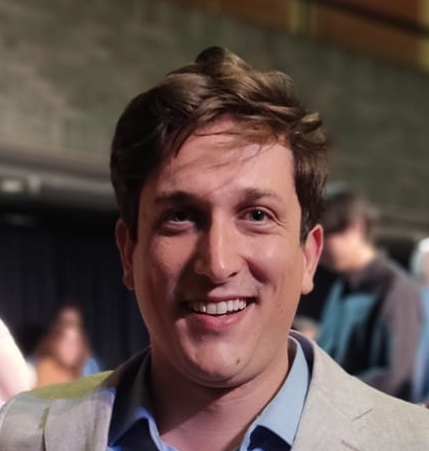
This lecture introduces a theoretical and operational framework in which sound is regarded as a privileged domain for the study of Nature and Reality. Sound Topology and Computational Sonology are not defined through numerical codification, but through segments which generate n–dimensional dynamic simplicial complexes. In this model, nodes, relations and signals form a network in which the Qualitative and the Quantitative converge within a liminal region. Computational Sonology provides the operative procedures to transduce energetic and informational phenomena into measurable segments, and to let them evolve under defined rules within the geometrical structure of the model. The talk will also explore how this approach intersects with our cognitive architecture — where perception and emotion co-operate — and why music has historically occupied (and still occupies) a central position within the scientific understanding of the world.
ORCID 0009-0000-7483-4452

How do shapes relate to one another? Where the artist intuitively grasps the balance between forms, mathematicians map out these relationships by incorporating notions of distance and transformation into what they call moduli spaces—vast structured landscapes of all possible geometric shapes.
Together with Bruno Teheux, in order to sample collective creativity, we imagined the project Life Lines and collected thousands of drawings from around the world. The game Quadratis, designed with Paul Turner, allows us to explore and visualize moduli spaces.
Both projects will be at the heart of a resolutely interactive talk.

Our ability to learn from nature has two sides. There’s the side of exploration and that of imitation, and both arise from inspiration. In academia, many studies deal with the characterization and quantification of natural phenomena, whether using tools of biology, chemistry, physics, computer science or mathematics. Meanwhile, research units in industry address human needs by utilizing the knowledge gathered in academia. Our panel members will discuss the points of dependence, inspiration, and collaboration between industry and academia. Touching on which questions in industry can only be answered by basic research, and at what point does basic research become the basis for tangible solutions to human problems. The panel will include researchers from startup companies, researchers in academia who have taken part in establishing companies, as well as a company in the innovation ecosystem of XISTA.

Prudence Donovan
Entrepreneurship and Innovation Lead (XISTA)
Helps researchers navigate the journey from discovery to venture creation as part of the XISTA innovation ecosystem. Prue has led innovation management at CeMM and held key roles at QIMR Berghofer, UniQuest, and EPFL and is therefore the ideal support for life science founders. https://xista.io/
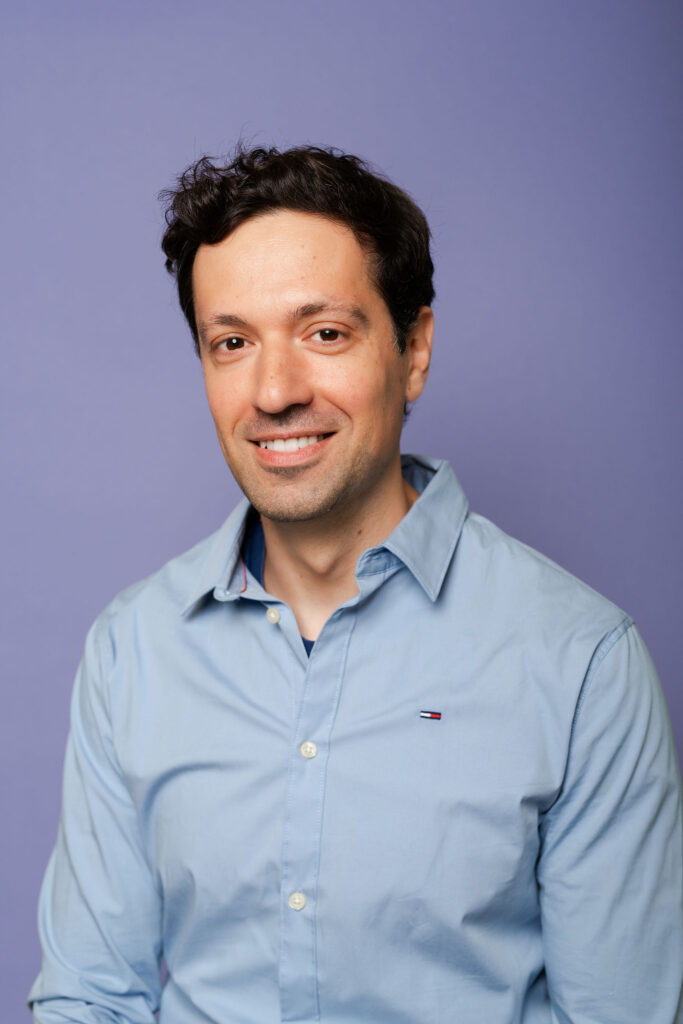
Georgi Dimchev
Discovery Scientist (Solgate, Austria)
One of the XISTA science ventures portfolio companies that is also a renter at the science park right across ISTA. Solgates product is a cell-based technology platform, which can be used to accelerate the creation of transformative medicines targeting membrane transporter proteins for patients with severe diseases. https://www.solgate.com/

Angela Sessitsch Head of Center for Health & Bioresources (AIT, Austria)
She studied biochemistry at the University of Technology in Graz, holds a PhD in Microbiology from the Wageningen University, the Netherlands, and is habilitated at the Vienna University of Natural Resources and Life Sciences. She has pioneered plant-associated microbiomes and is interested in understanding the interactions between plants, microbiomes and the environment as well as to develop applications. Her team explores the diversity and functioning of plant microbiota by applying a range of molecular approaches, interaction modes between plants and model bacteria, colonization behaviour of endophytes as well as various application technologies for biocontrol and crop enhancement applications. Together with her group A. Sessitsch published more than 250 peer-reviewed publications, is co-inventor of several patents and has been nominated as Highly Cited Researcher from 2017 until 2023.
Sandra Siegert Group Leader Microglia-Neuron Interaction Lab (ISTA), Co-Founder, Syntropic Medical (XISTA)
Dr. Sandra Siegert is a trained biologist who studies how microglia influence brain function. She received her Diplom at Johann Wolfgang Goethe University in Frankfurt/Main, Germany, in 2005 and her Ph.D. in Neurobiology at the FMI in Basel in 2010. She was awarded an HFSP and SNSF fellowship to perform her postdoctoral work at MIT. In 2015, she returned to Europe, joined ISTA as an independent Assistant Professor with an ERC starting grant, and received tenure in 2023. Dr. Siegert combines various techniques to study the interplay between neurons and microglia. Throughout her career, she has been involved in innovative technology development, resulting in patent applications. Her most recent discovery of 60-Hz reducing perineuronal nets, which lock the brain in a functional state, opens the possibility of a noninvasive light therapy treatment for mental health challenges. As an ERC PoC awardee, she co-founded the start-up Syntropic Medical GmbH in 2023. Since 2025, Dr. Siegert oversees the Life Sciences Research Area at ISTA as Area Chair, which encompasses neuroscientists, biologists, and biochemists.


Edna Nyangale Food industry researcher (SharkNinja, UK)
She holds a PhD in Food and Nutritional Sciences from the University of Reading and a PG Diploma in Applied Sports Nutrition from St. Mary’s University. She has worked in food innovation and product development at SharkNinja, Win-Win, and Sagentia Innovation. Edna will also speak to us at the outset of the panel about Bridging the Gap.
Abstract: Bridging the Gap
The utilisation of fundamental scientific research in universities is often underrated. This is due to the translation of science into industrial applications when it comes to fortification, aiming to gain a wider health benefit for the general population. Flavan-3-ols, specifically (-)- epicatechin and Catechin, are known to support the relaxation of smooth muscle in arteries, leading to improved vascular function and reduced blood pressure. Prebiotics like Inulin, one of the gold standards, support several health benefits that start from the gut, including immune function and the gut-brain axis; a lot is yet to be investigated. The use of these ingredients in a food matrix is a complicated process to support the wider benefit achieved by the level of intake of a commonly consumed food. Attention to formulation, overage, and shelf life supports success in substantiating regulatory health claims, which in turn supports success in output.
AI-Ready Cryo-Electron Tomography Simulations of the Whole Cell
Pavol Harar, ISTA
A central challenge in biology is determining the molecular organization of a cell at any given time, ideally at atomic resolution. Cryo-electron tomography (cryoET) provides the most powerful means to visualize cells in a near-native state, but fully realizing its potential requires overcoming major challenges in data analysis. As one example, current methods for identifying the location and conformation of molecular complexes in their cellular context remain limited, laborious, and costly. Artificial intelligence promises to transform this landscape, yet building and validating AI models requires large, annotated datasets that capture the complexity of a cell. Such datasets are currently unavailable, creating a bottleneck for both model development and benchmarking of existing and novel analysis methods. To address this, we combine our comprehensive molecular model of a minimal bacterial cell with our physics-based transmission electron microscope simulator. The model integrates a range of omics and cryo datasets to reflect the concentrations and locations of the cell’s molecular components. At coarse-grained Martini bead resolution, it enables molecular dynamics simulations, providing snapshots of a whole cell at exceptional detail and trajectories of molecular interactions over time. Using these snapshots, we simulate cryoET images of lamella-sized sections with complete ground-truth labels for all molecular complexes, producing the most comprehensive fully-annotated AI-ready cryoET dataset to date. Compared to prior synthetic datasets, our simulations capture cellular complexity, plausible conformational variability, and provide precise annotations. This resource establishes a feedback loop in which synthetic data derived from whole-cell models drives improvements in both analysis pipelines and models themselves. Over time, such pipelines could transform structural cell biology and computational whole-cell modeling, establishing a benchmark-driven cycle of progress analogous to CASP in protein folding.
Computational Design and Fabrication of Modular Robots with Untethered Control
Manas Bhargava, ISTA
Natural organisms utilize distributed actuation through their musculoskeletal systems to adapt their gait for traversing diverse terrains or to morph their bodies for varied tasks. A longstanding challenge in robotics is to emulate this capability of natural organisms, which has motivated the development of numerous soft robotic systems. However, such systems are generally optimized for a single functionality, lack the ability to change form or function on demand, or remain tethered to bulky control systems. In this talk, I present a framework for designing and controlling musculoskeletal robots composed of modular building blocks that combine 3D-printed skeletal elements with liquid crystal elastomer (LCE) actuators. The LCE rods contract in response to infrared radiation, thereby providing localized, untethered control over the distributed skeletal network and producing global deformations of the robot. To fully capitalize on the extensive design space, we introduce two computational tools: one for optimizing the robot’s skeletal graph to achieve multiple target deformations, and another for co-optimizing skeletal designs and control gaits to realize desired locomotion. We validate our framework by constructing several robots that demonstrate complex shape morphing, diverse control schemes, and environmental adaptability. Together, these advances in modular material design, untethered and distributed control, and computational design introduce a new generation of robots that brings us closer to the capabilities of living organisms.

Wiring Biology into AI: Bio-Inspired Models for Efficient Long-Sequence Processing
Monika Farsang, TU Wien
We draw inspiration from the principles of information transmission in biological neural circuits to design artificial neuron models that combine high performance, computational efficiency, and interpretability. Building upon Liquid Neural Networks that model chemical synapses, we developed Liquid-Resistance Liquid-Capacitance (LRC) networks, an enhanced form of Liquid Time-Constant (LTC) networks, capable of capturing complex, continuous dynamics with faster training and better accuracy. While conventional LRC networks operate as recurrent neural networks (RNNs) with inherently sequential computation, we reformulated their architecture into a parallelizable state-space model (SSM) by constraining them to learn a diagonal Jacobian. This transformation scales linearly in sequence length during training, in contrast to the quadratic complexity of Transformers, making our approach well-suited for long-sequence tasks. Our resulting LrcSSM models are the first SSMs to incorporate non-linear, state-dependent dynamics, offering greater expressiveness than existing linear or input-dependent variants. We demonstrate their competitive performance on biologically and physiologically grounded time-series datasets, ranging from neural activity and body movements to chemical spectroscopic signals, highlighting their potential to advance both AI research and the computational modeling of complex biological processes.

The evolution of imagination in the mammalian lineage
Oryan Zacks, Tel Aviv University
Imagination remains one of the central mysteries in current neuroscience: how does the brain construct an internal “movie theatre” of the mind? While this question is far from resolved, an evolutionary approach may offer critical insights into the ancient neural mechanisms that give rise to imagination. The default mode network (DMN) has been proposed as the primary “imagination network” in the human brain, consisting of two distinct cortical architectures: the neocortex and the hippocampus. In this talk, I will suggest that both structures underwent significant changes over evolutionary times, with their defining features emerging at the base of the mammalian lineage. These features include unique developmental programs, novel cell types, and obligatory connectivity rules between the different cell types. Together, these features critically expanded the computational capacities of the mammalian brain, although they are not always accounted for in current brain models. Moreover, these features continued to evolve along the lineage leading to humans, which could partially explain the enhanced cognitive abilities of our species. Tracing the cumulative evolutionary changes that shaped the mammalian brain not only illuminates the origins of our imaginative capacities but also holds promise for inspiring biologically grounded AI models, ones that may one day exhibit imagination of their own.

Astrocytes-Somatostatin Neurons Communication in the Prefrontal Cortex Modulates Emotion Discrimination
Giada Pacinelli, ISTA
The medial prefrontal cortex (mPFC) is a critical hub for social cognition, where somatostatin-positive (SOM+) inhibitory neurons play a key role in detecting and responding to altered emotions in others. Despite the well-established functional connection between cortical inhibitory neurons and astrocytes, the specific contribution of astrocytes to emotion discrimination and their interplay with SOM+ neurons in social cognition remain poorly understood. Here, we demonstrate a distinct spatial connection between mPFC astrocytes and SOM+ neurons. Using calcium imaging, we show that astrocytes, like SOM+ neurons, exhibit heightened activity during emotion discrimination tasks, specifically when interacting with emotionally altered stimuli. In agreement, chemogenetic activation of astrocytes enhanced the recognition of both positive and negative emotions while leaving other social behaviors unaffected. Notably, deficits in emotion recognition caused by SOM+ neuron optogenetic inhibition were rescued by concurrent astrocyte activation, indicating a compensatory mechanism. Electrophysiological recordings confirmed astrocyte-mediated modulation of SOM+ neurons, while single-cell analyses revealed increased activity in SOM+ neurons under chemogenetic activation, even when optogenetically inhibited. These findings reveal a previously unappreciated astrocyte-SOM+ neuron communication axis in the mPFC that underpins the detection and reaction to others’ emotions.

Playing Pong the Brain’s Way: Bridging Unsupervised and Supervised Learning Through Meta-Learned Plasticity
Maciej Kania, ISTA
The brain adapts to its environment, in unsupervised to fully supervised and feedback-driven processes. Specifically, unsupervised learning has been observed experimentally in a range of settings—from behaving animals to organoids—even for surprisingly complex tasks, usually thought to be the domain of supervised learning, e.g., the Atari game Pong, speech recognition, or visual discrimination. It has been speculated that this is possible because unsupervised mechanisms take on the lion’s share of the learning, but are ultimately guided by the cherry-on-top of supervised learning. How unsupervised and supervised processes may interact through synaptic plasticity to create neural representations of complex tasks remains largely unexplored in spiking networks. Here, we investigate how multi-type synaptic plasticity can bridge unsupervised and supervised learning to support the emergence of structured neural representations during complex computations. To this end, we consider a recurrent spiking network in which all synapses undergo plasticity, governed by a recently described family of unsupervised, plasticity rules that were meta-learned to stabilize network activity. We apply these rules to a complex task—Pong—in which the network receives spatial input and controls the paddle by predicting the ball’s trajectory. We show that task performance is dependent on the plasticity rule used. A set of rules that perform well in simple memory tasks—such as familiarity detection or pattern replay—also scored high in Pong. In contrast, the rules that were shown to only stabilize network activity performed poorly and required more training to perform better than a network with fixed recurrent connections. Crucially, some of the rules allowed for the emergence of place-field activity and directional, distance-dependent connectivity patterns, consistent with experimental observations. Overall, our results yield testable predictions linking unsupervised co-active plasticity with supervised, task-driven learning, providing a mechanistic account of how biological circuits may self-organize to produce task-relevant neural representations.

Inspired by Nature’s Color: Structural Colors from Cellulose Nanocrystals for Sustainable Wood Coatings
Claudia Gusenbauer, BOKU
Wood is a key material in the transition towards a sustainable future. To promote recyclability and reduce microplastic pollution, bio-based coatings represent a vital alternative to synthetic polymers. In this context, our research focuses on cellulose nanocrystals (CNCs), renewable materials derived directly from wood. CNCs form mechanically stable coatings through evaporation-induced self-assembly; a process that not only produces robust films but also generates structural colors. These colors arise from the chiral nematic (helicoidal) arrangement of CNCs, reminiscent of the natural iridescence observed in Pollia condensata fruits, and exhibit improved fade resistance, as well as enhanced UV and color stability. In two fundamental research projects, we investigate novel sources for CNC production and evaluate their performance as coatings on wood surfaces, from the macro- to the nanoscale. Results will be presented on the extraction of CNCs from alternative biomass such as water plants, the analysis of color formation and pitch variation down to the nanoscale, and the development of strategies to improve the water resistance of the coatings. This work aligns with the principles of circular economy and demonstrates how fundamental materials science can advance sustainable surface design, offering environmentally friendly alternatives to conventional pigment-based coloring technologies.

Engineering Calcium Channels: Probing Orai1 Dynamics with Unnatural Amino Acids
Magdalena Prantl, Johannes Kepler Universität Linz
Genetic code expansion allows precise engineering of proteins with novel chemical functionalities, enabling experiments and applications beyond the limits of natural amino acids. For example, photocrosslinking (p-azido-L-phenylalanine (Azi), p-benzoyl-L-phenylalanine (Bpa)) or chemical crosslinking (BCnY) amino acids can be site-specifically incorporated to form covalent bonds, capturing transient protein interactions or conformational changes with high precision. We applied this approach to Orai1, a key component of the CRAC channel, which mediates calcium signaling in processes from immune activation to muscle and neuronal function. Despite its central role, the molecular mechanisms controlling Orai1 opening remain incompletely understood, limiting opportunities for biomedical or bioengineering applications. Activation starts when STIM1 binds to Orai1’s cytosolic C-termini, triggering structural changes that open the channel pore. A flexible linker, the nexus, connecting the C-termini to TM4, is thought to coordinate these rearrangements. We probed the nexus-TM3 interface using site-specific incorporation of unnatural amino acids for photo- and chemical crosslinking, combined with conventional mutagenesis, to capture dynamic structural transitions during channel activation. Our results reveal that a widening of the nexus-TM3 interface is essential for STIM1-mediated pore opening, while hydrophobicity and contact distances in the upper nexus-TM3 interface fine-tune signal propagation to the pore. This work demonstrates how genetic code expansion can dissect protein conformational dynamics with unprecedented precision, advancing mechanistic understanding and opening avenues for targeted therapeutics or engineered protein systems.
(This research was funded by the Austrian Science Fund (FWF) projects [doi:10.55776/ P35900] and [doi:10.55776/P36202] to I.D )

From Flow Dynamics to Function: Engineering Hollow Fiber Membranes for ECMO
Jing Jing Xu, TU Wien
Respiratory diseases affect millions of patients worldwide and remain among the leading causes of death in the European Union. Current therapeutic options, such as extracorporeal membrane oxygenation (ECMO), are often associated with high morbidity and mortality, highlighting the need for more efficient and safer technologies. This work aims to optimize the design of hollow fiber membranes used in ECMO devices by modifying their surface geometry and analysing the resulting hemodynamic performance. To this end, novel hollow fiber membranes were fabricated through nonsolvent induced phase separation. The fibers were designed with sinusoidal geometries to increase the available surface area for gas exchange. By increasing the number of sinus waves, a greater surface area can be obtained, thereby potentially enhancing oxygen and carbon dioxide transfer efficiency. However, this structural modification also leads to the formation of regions of low velocity, as highlighted in the velocity magnitude contours obtained through computational fluid dynamics (CFD) simulations and micro particle image velocimetry (micro-PIV) experiments. These zones of reduced flow represent potential sites for blood stagnation and coagulation, thus posing a trade-off between improved gas exchange and hemocompatibility. Flow behaviour around the fibers was characterized in detail by combining CFD modelling and experimental micro-PIV measurements, providing complementary insights into velocity distribution and shear stress patterns. The optimized fibers will subsequently be assembled into functional modules for in vitro testing, enabling the evaluation of gas transfer performance and blood compatibility under realistic operating conditions. Overall, this study provides a systematic approach to tailoring ECMO membrane morphology, balancing enhanced gas transfer capacity with the minimization of thrombogenic risk. These findings contribute to the development of next-generation ECMO devices with the potential to improve patient outcomes in severe respiratory failure.

Singular Perturbation Analysis of ODEs describing the HPT Axis
Clara Horvath, TU Wien
Singular perturbation theory provides a rigorous framework to analyse multiscale ordinary differential equations (ODEs) by separating fast from slow regulatory interactions. Endocrine models of the hypothalamus-pituitary-thyroid (HPT) axis exhibit both strong time-scale separation and saturating feedback, but the full ODE models are numerically stiff and difficult to calibrate to data. This study applies singular perturbation analysis to a selected HPT model with Michaelis-Menten nonlinearities to obtain controlled reductions that preserve mechanism while improving analytical, numerical, and statistical tractability. A selected model of the HPT axis is nondimensionalized to expose a small parameter ε quantifying fast (receptor/secretory) verses slow (hormone clearance) progresses. We apply Tikhonov-Fenichel theory and matched asymptotic expansion to build a slow manifold defined by quasi-steady Michaelis-Menten relations. On this manifold, we linearize to obtain compact Jacobians for a stability analysis and use simple geometric checks to flag when hyperbolicity may fail. The reduced model is assumed to match hormone trajectories with unform O(ε) error over relevant time windows. Replacing fast dynamics by algebraic Michaelis–Menten terms removes stiffness and speeds up simulations. The reduction preserves identifiability of key feedback gains and clarifies which measurements inform fast versus slow processes, improving parameter estimation from sparse data. The simplified model enables faster inference and robust sensitivity/uncertainty analyses, and provides interpretable criteria for stability, and oscillatory tendencies. Accuracy may still degrade where fast–slow separation is weak (e.g., near loss of normal hyperbolicity). Some parameters remain weakly identifiable from routine clinical data. Future work will validate the reductions on patient-specific datasets (including perturbation–recovery profiles), delineate practical ranges of ε, and assess robustness for model-based clinical monitoring.
Ultra-Short Laser Pulses to Explore Material Properties
Rafael Winkler, ISTA
The short duration of ultra-short laser pulses offers two important aspects for investigating condensed matter, chemical, or biological systems. On one hand, it enables the investigation of phenomena on time scales shorter than one picosecond (one trillionth of a second). On the other hand, the power reached during the short pulse can exceed gigawatts, and when focused onto small spots, it can drive highly non-linear phenomena. In this talk, I will illuminate both aspects. First, I will show how we can trigger phase transitions in condensed matter systems and monitor the temporal evolution using ultra-short laser and x-ray pulses. As an example, I will present the charge density wave (CDW) phase in blue bronze (K0.3MoO3) and our results showing how the laser pulse destroys the CDW, leaving a highly disordered system behind. In a second part, I will outline the research planned in our young group at ISTA. Here, we aim to use non-linear optics to explore ways of mapping quantum properties in condensed matter system onto light and vice versa. The idea is to let the ultra-short pulses interact non-linearly with a material and to use the resulting frequency conversion to perform background-free measurements on the photon statistics of the frequency-shifted pulses.
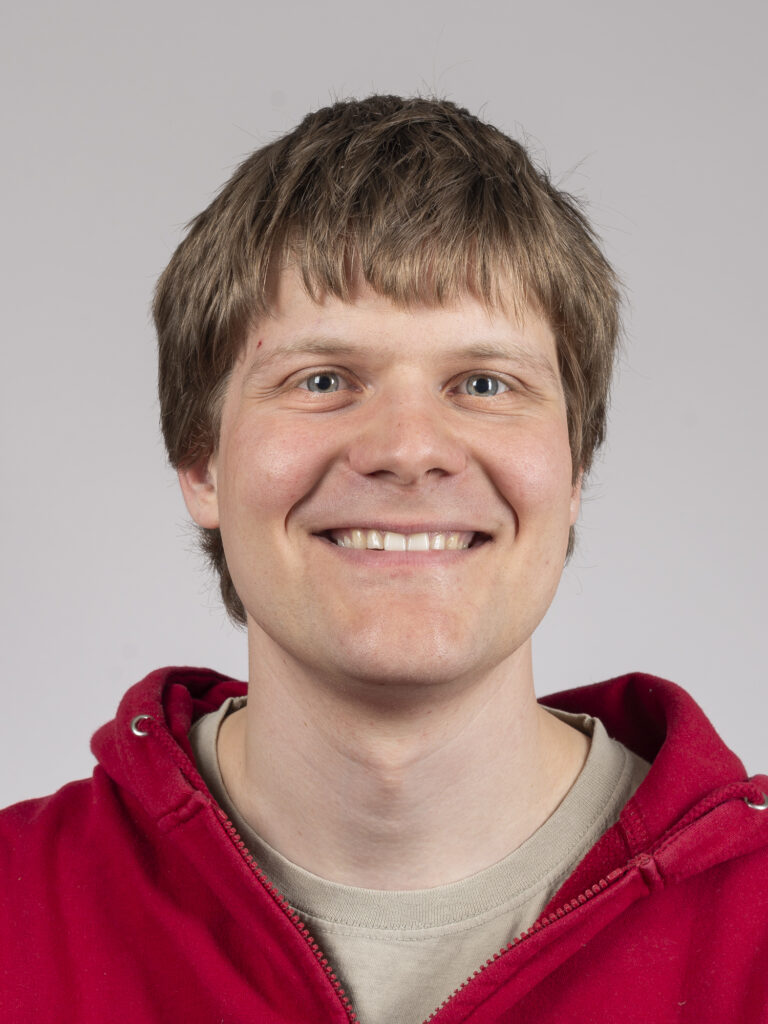
From Toxic Mushroom to Oxidation Catalyst
Jessica Michalke, Technical University of Leoben
Amanita muscaria (fly agaric mushroom), renowned for its remarkable ability to accumulate vanadium at concentrations as high as 1000 mg V kg⁻¹ in its bulb section is introduced as a catalyst for oxidation reactions. Without the need for labor-intensive extraction steps, the mushroom is pyrolyzed directly to produce a vanadium-containing material. The resulting bio-derived catalysts leverage the inherent redox potential of the natural vanadium complex, amavadin, which is present in high concentrations within the mushroom. This approach highlights the possibility of utilizing renewable biological resources as direct sources of catalytic materials, advancing our understanding of natural redox transformations and their practical applications in catalysis. The development of sustainable catalytic systems remains a key challenge in modern chemistry. Precious metal catalysts, such as those based on palladium, platinum, or ruthenium, are widely used for oxidation reactions but suffer from high costs, limited availability, and environmental concerns. Naturally occurring vanadium complexes, such as Amavadin in Amanita muscaria, offer an intriguing alternative due to their unique redox properties. This study investigates the potential of Amanita muscaria-derived catalysts for selective oxidation reactions, aiming to provide an eco-friendly and cost-effective approach to these fundamental transformations.

Honey, it’s cold in here! Turn on the K2Zn0.12Cu0.88(SO4)2⋅6H2O!
Jakob Smith, TU Wien
Europe is in desperate need of energy independence. Increasing renewable generation is as important as ever. However, strategies for integrating renewables into the grid and storing waste energy also require much attention. Although electricity, the more expensive form of energy supplied by network providers, has been the subject of much research, we focus on the utilization of solar thermal and waste heat via thermochemical heat storage using low-cost materials synthesized from readily available elements. Thermochemical heat storage utilizes the reversible endothermic decomposition reaction of a solid into easily separable products and offers much higher energy storage densities than latent heat storage, e.g. in paraffin waxes, or sensible heat storage, e.g. with water or stones. In this presentation, I will present highlights from the inorganic synthetic chemistry lab that have not yet made it to the market to heat homes in the winter or capture industrial waste heat, although several Horizon Europe projects with this aim are in progress. One highlight, a compound library of 40 mixed Tutton salts K2Zn1-xMx(SO4)2⋅6H2O, has been synthesized and characterized with respect to energy storage density and cycle stability. Furthermore, the dehydration reaction of 30 mixed divalent sulfate hydrates, M1-xM’xSO4⋅nH2O, has also been analyzed with thermogravimetric analysis and differential scanning calorimetry.
Evaluating Chitosan for Implant Coatings: From Cytotoxicity and Immune Modulation to Microbial Interactions
Christina Winter, Molecular Biotechnology HCW
The rising incidence of implant-associated infections and related complications highlights an urgent need for novel biomaterials that combine stability with enhanced biological performance [1]. Chitosan, a naturally occurring polysaccharide found in the exoskeleton of crustaceans, has sparked increasing interest beyond its use in the food industry. Its antimicrobial activity, biocompatibility, biodegradability, mechanical strength and chemical versatility make it a promising material for biomedical applications [2]. The aim of the study was to evaluate the immunomodulatory and antimicrobial potential of chitosan for implant coatings. The effect of different concentrations of chitosan on BJ5Ta fibroblasts and U937 monocytes was first assessed by analyzing the molecule’s potential cytotoxicity using a resazurin viability assay. To evaluate the molecule’s immunomodulatory properties, the expression of pro-inflammatory cytokines (IL-6, IL-8, TNF-α, IFN-β) at the mRNA and protein levels was analyzed by RT-qPCR and ELISA. In addition, the potential of chitosan to induce monocyte-to-macrophage differentiation was investigated based on morphological changes observed by microscopy. In addition, the antimicrobial activity of chitosan was evaluated against clinically relevant implant-associated microbes, namely Escherichia coli and Staphylococcus epidermidis by testing the effect of different concentrations of chitosan on bacterial growth, monitored by measurement of the OD620. The results showed that the effect of chitosan on BJ5Ta fibroblasts and U937 monocytes depends on the cell type investigated. With respect to cytotoxicity, U937 monocytes were found to be approximately four times more sensitive than BJ5Ta fibroblasts (IC50 U937 monocytes = 998 μg/ml; IC50 BJ5Ta fibroblasts = 4232 μg/ml). Furthermore, chitosan treatment did induce IL-6 cytokine secretion in BJ5Ta fibroblasts, but not in undifferentiated U937 monocytes. However, a concentration-dependent transcriptional upregulation of IL-6, IL-8, and TNF-α was elicited in both, fibroblasts and monocytes. Moreover, chitosan failed to induce the differentiation of monocytes into macrophages. Additionally, it was shown that chitosan exhibited microorganism-specific antibacterial activity, with a MIC (minimum inhibitory concentration) of 100 μg/ml and an MBC (minimum bactericidal concentration) of 125 μg/ml for E. coli, whereas S. epidermidis showed higher tolerance (MIC: 500 μg/ml; MBC: 1000 μg/ml). Together, these findings support the potential of chitosan as a biomaterial, while also underscoring the need for further in-depth evaluation of its immunological and antimicrobial effects. Ultimately, after careful characterization, the goal is to integrate fibroblasts and immune cells together into a chitosan-based 3D test system that mimics real surgical conditions, providing the most clinically relevant assessment of the potential application of chitosan as a novel biomaterial.
[1] Haq et al. J Infect Public Health 2024, 17, 189–203. [2] Cetin et al. Polymers 2025, 17, 693.

Influence of Stent Strut Cross-Section on Local Hemodynamics and Vascular Cell Response
Veronica Viola, TU Wien
Coronary artery disease is one of the leading causes of mortality worldwide and it is commonly treated by performing percutaneous coronary intervention with stent implantation. However, stents inevitably alter local hemodynamics, potentially leading to in-stent restenosis caused by neointimal hyperplasia. It is well established that regions of low wall shear stress promote this pathological response. Wall shear stress is strongly affected by stent design, and parameters such as strut thickness and cross-sectional profile play a key role in optimizing stent performances. To isolate the specific effect of individual parameters, this study examines the influence of strut cross-section by comparing three geometries: rectangular, triangular and circular. For each geometry, microfluidic chips featuring ridged-shaped obstacles have been designed and evaluated using computational fluid dynamics to assess the effect of the cross-section variations on local wall shear stress. The numerical results have been subsequently validated through micro-particle image velocimetry. So far, only rectangular and triangular struts have been tested. Computational results indicate that triangular struts generate consistently higher peak and area-averaged wall shear stress compared to rectangular struts across all the investigated Reynolds numbers (50, 100 and 200). Finally, dynamic cell culture experiments are intended to be conducted within the microfluidic chips to correlate wall shear stress distributions with vascular smooth muscle cell migration and proliferation. These findings are expected to contribute to a better understanding of the relationship between stent geometry, hemodynamics, and vascular cell behavior, providing insights into optimizing stent design to reduce restenosis risk.