 YSS26YSS26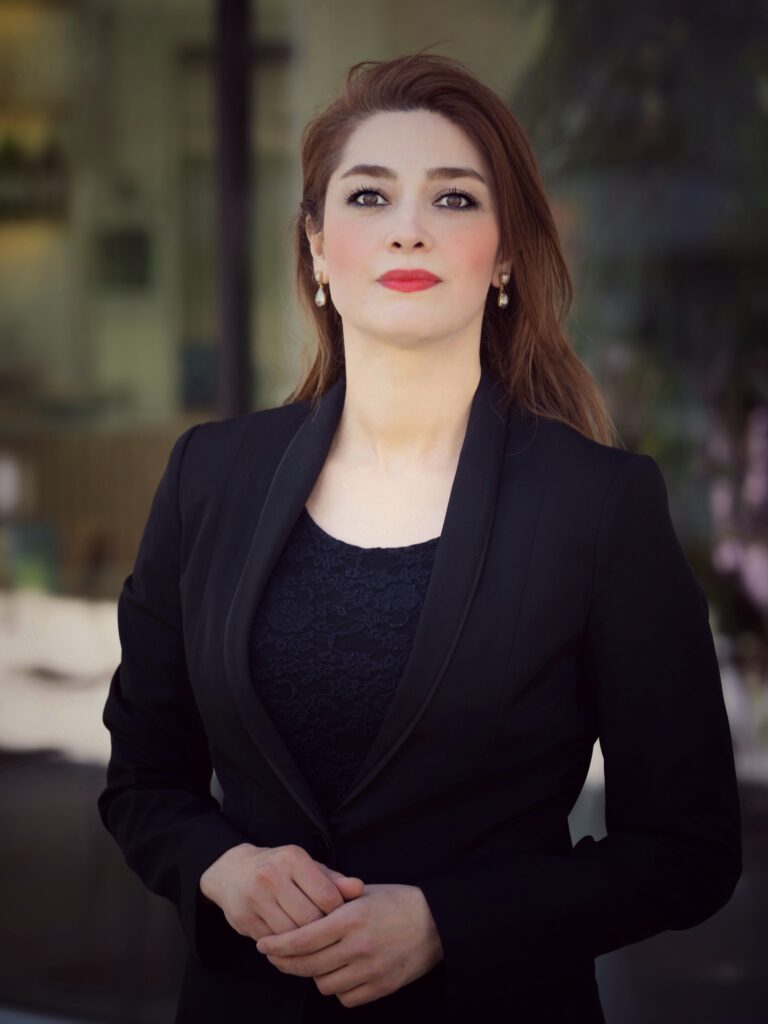
Meet Anna,
I am currently a Lab Manager and Research Assistant Genetic and Molecular Basis of Neurodevelopmental Disorders. I have experience managing day-to-day lab operations, overseeing experimental procedures, and supporting research teams in the development of neuroscience studies. I’m passionate about advancing our understanding of the brain through both hands-on research and collaborative projects. I enjoy bridging the gap between the technical and administrative aspects of lab work to ensure projects run smoothly and effectively.
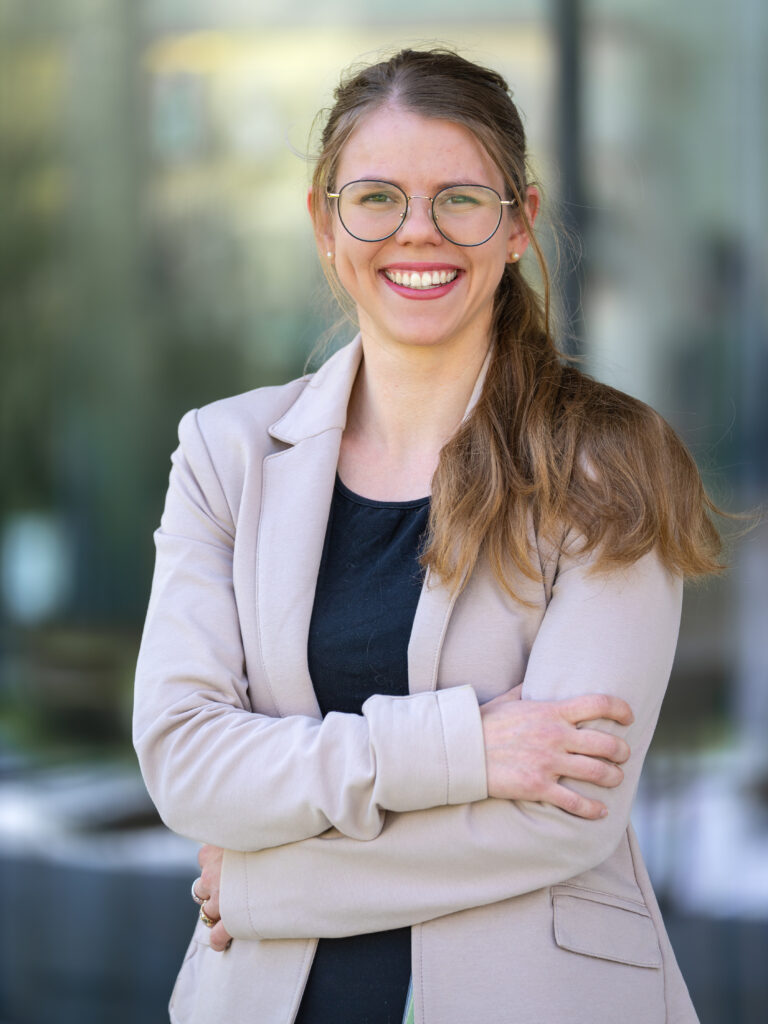
Meet Emily,
I’m currently a PhD student at the Institute of Science and Technology Austria, where I work in the Novarino Group. My research focuses on understanding the genetic and molecular basis of neurodevelopmental disorders. I am especially fascinated by cell signaling processes, protein interactions, and the complexity of the brain, which I explore in my research.
The YSS to me highlights an opportunity to connect to early stage researchers, share knowledge and form fascinating collaborations across many different disciplines.

Meet Filip,
I am a postdoctoral researcher in the Thomas Henzinger group at ISTA. My research focuses on the use of formal methods to develop trustworthy AI systems, particularly in sequential decision-making contexts, like reinforcement learning. My interests include explainability and accountability of AI systems, as well as monitoring, verification, and enforcement of safety and fairness properties. Prior to joining ISTA, I completed my PhD in Computer Science at Graz University of Technology, and my MSc in Mathematics at BarcelonaTech.

Meet Sophia,
I am a communication professional with a background in developmental biology (M.Sc.) and journalism (B.A.). Across my roles in academia, agency, and startup settings, I aimed to translate scientific facts into stories that inform, inspire, and resonate. Today, I shape strategic communication and events at the innovation ecosystem xista empowering science entrepreneurs at the ISTA campus and beyond.
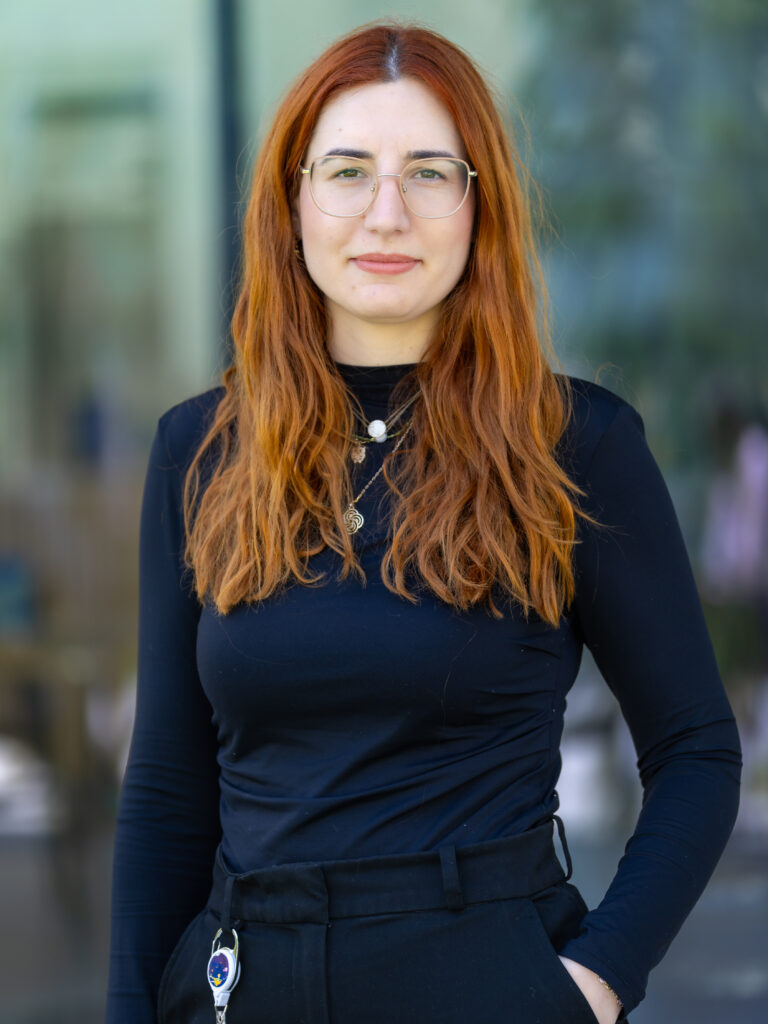
Meet Voula,
I’m a postdoctoral researcher in the Kicheva’s group at ISTA, where I study cell fate specification in the developing spinal cord, using mouse stem cell–based in vitro systems and single-cell transcriptomics. My aim is to understand how distinct neural populations are generated during development. I obtained my PhD from KU Leuven in Belgium, where I investigated mechanisms of cell fate decisions in the pre-implantation mouse embryo. I am fascinated by how complex and highly organized tissues arise from relatively simple cellular starting points, and by the gene regulatory principles that guide these fate decisions. I joined YSS committee to help foster an interdisciplinary space where researchers from different fields can exchange ideas and perspectives, and to contribute to building a welcoming and engaging scientific community.
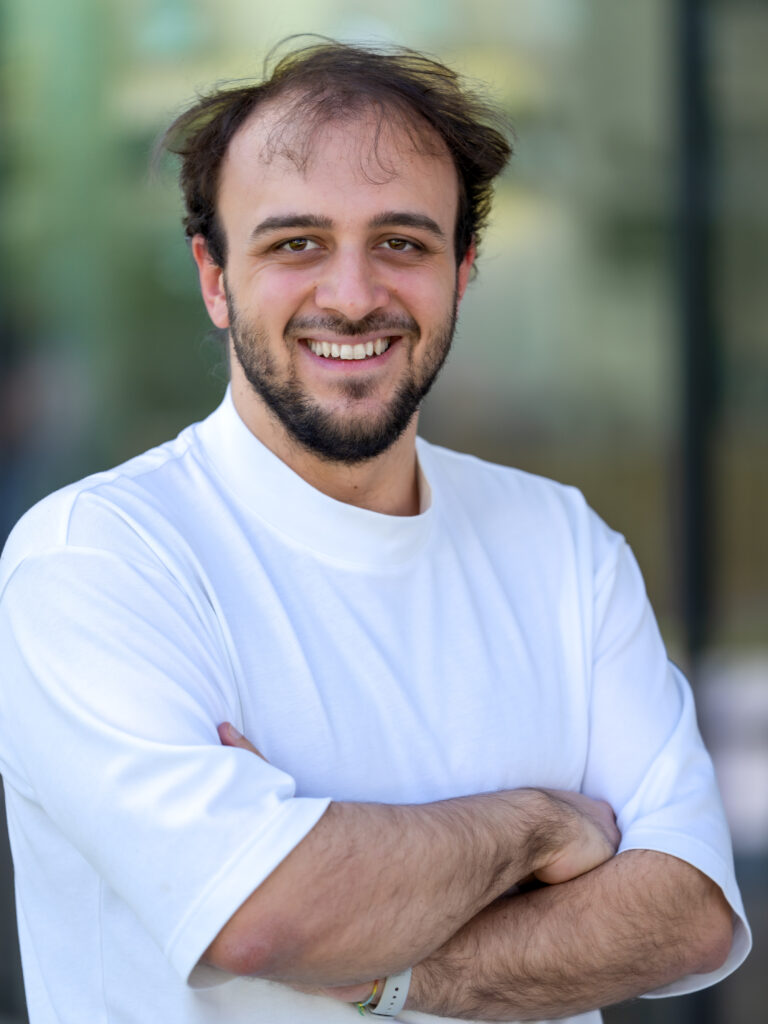
Meet Lorenzo,
I’m a PhD candidate in Mathematics at ISTA, where I work under the supervision of Robert Seiringer. My research sits at the intersection of mathematical analysis, physics, and probability, currently focused on the mathematical foundations of Time-dependent Density Functional Theory. I’m curious, with a love for understanding complex topics and making them accessible to others, and I’m always eager to step outside my comfort zone and explore new research directions. The YSS feels like the perfect space to show that even abstract mathematics can have a real impact on the world, especially when it blends with other disciplines.
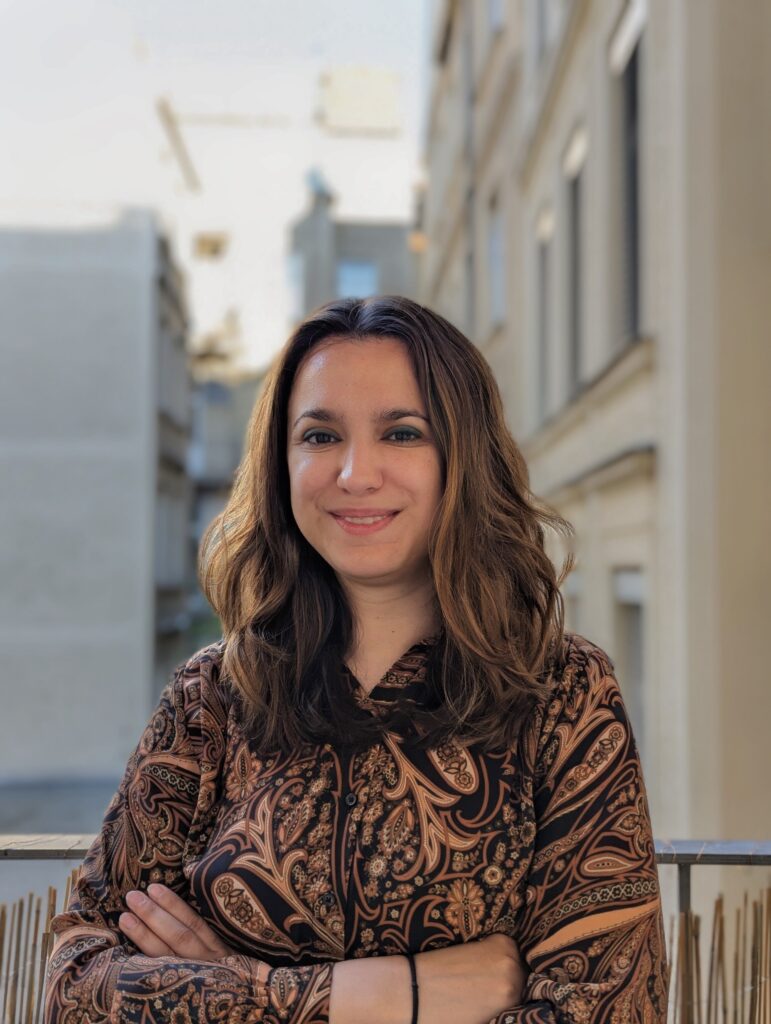
Meet Corina,
I am a postdoctoral researcher in the group of Ani Kicheva and my research focuses on how individual cellular behaviors, such as proliferation, shape, size and differentiation, are integrated within tissues to ensure robust organ development. During my PhD, I showed how loss of key genetic drivers reshapes cellular interactions and drives cancer progression, highlighting how single-cell perturbations scale to tissue-level outcomes. Because cancer co-opts developmental pathways, I now study these principles in developmental systems, where cellular interactions and regulatory mechanisms determine whether tissues develop robustly or deviate toward disease. Joining YSS is a great opportunity to meet researchers across career stages, exchange ideas, and spark exciting interdisciplinary collaborations.
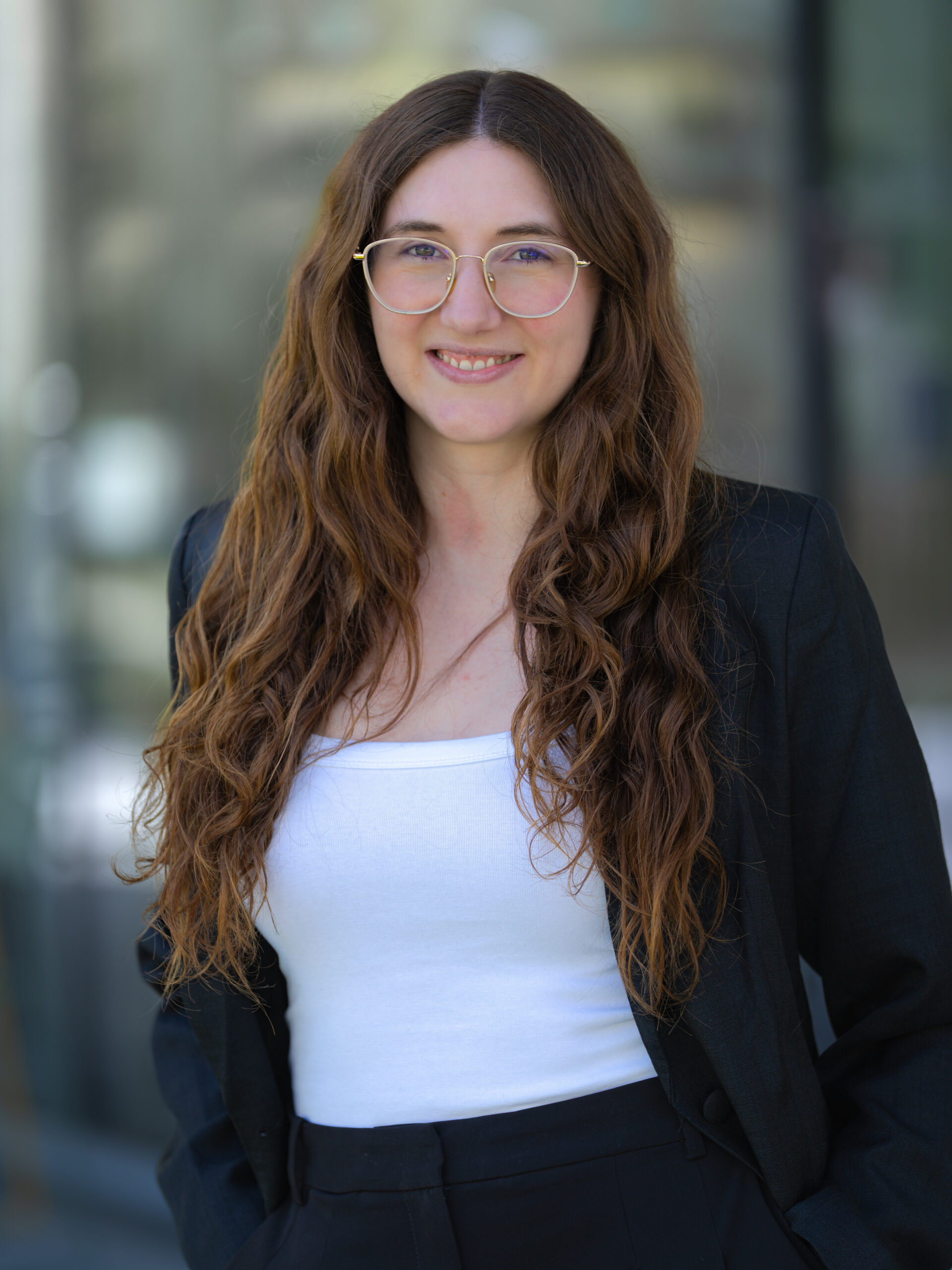
Meet Romina,
I’m a postdoctoral researcher at the Institute of Science and Technology Austria, working in the Novarino Group. My research focuses on the brain secretome and how soluble factors influence neuronal function. I’m especially fascinated by how these molecules can shape neural activity and network dynamics at larger scales, and I enjoy working at the intersection of different approaches to uncover these relationships.
For me, YSS represents a unique opportunity to connect with early-stage researchers, exchange ideas across disciplines, and foster new collaborations at the interface of neuroscience, computation, and complex biological systems
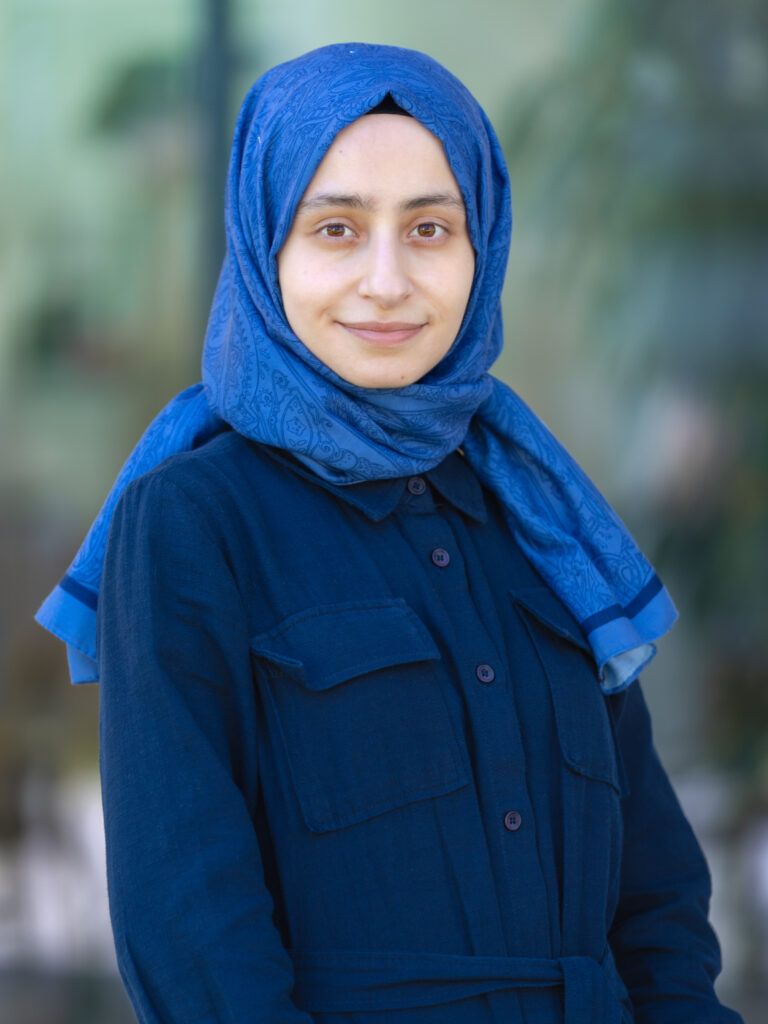
Meet Nursen,
I am a postdoctoral researcher in the Kicheva Group at the Institute of Science and Technology Austria (ISTA), where my research focuses on understanding the crosstalk between opposing morphogen gradients in the developing spinal cord that pattern the tissue. Prior to joining ISTA, I completed my PhD at McGill University, investigating the molecular mechanisms of axon guidance during nervous system development. Driven by a passion for building a more connected research community, I joined the YSS organizing team to serve the scientific community and foster meaningful interdisciplinary dialogue to help bridge the gap between disciplines.
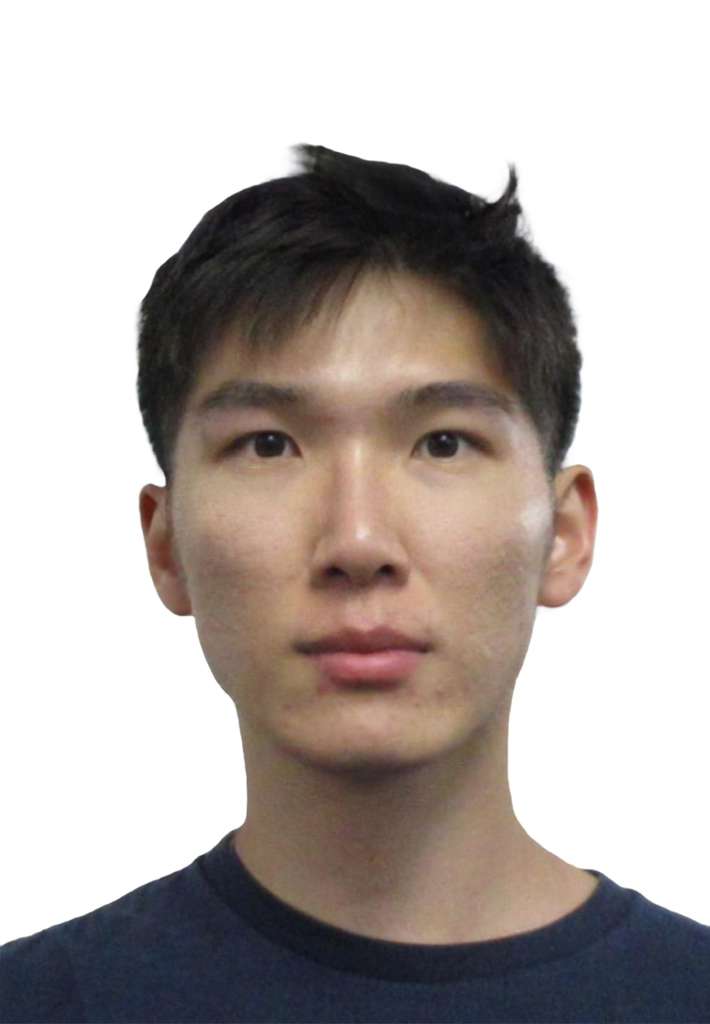
Meet Zach,
I am studying the physics of living systems, with a focus on cytoskeletal mechanics, active matter, complex systems, and non-equilibrium dynamics.
He embraces the importance of interdisciplinarity, combining approaches from physics, biology, materials science, computation, and engineering to understand how biological systems self-organize across scales. His work spans in vitro reconstituted cytoskeletal systems, rheology, active mechanics, energy dissipation, and, more recently, in vivo and computational studies of embryonic morphogenesis. Zach is currently an HFSP postdoctoral fellow in the Heisenberg and Hannezo group. He holds a PhD in Physics from Yale University.

Meet Florian,
I’m currently a PhD student in physics at the Institute of Science and Technology Austria, working in theoretical molecular and condensed matter physics. My research explores the dynamics of molecules embedded in crystal environments, along with related quantum and many-body effects. Because my work sits at the intersection of different areas, I often find myself drawing ideas from across disciplines.
I’m naturally curious and enjoy learning about new fields beyond my own. For me, the YSS is a great chance to meet other early-stage researchers, exchange ideas, and spark new collaborations.
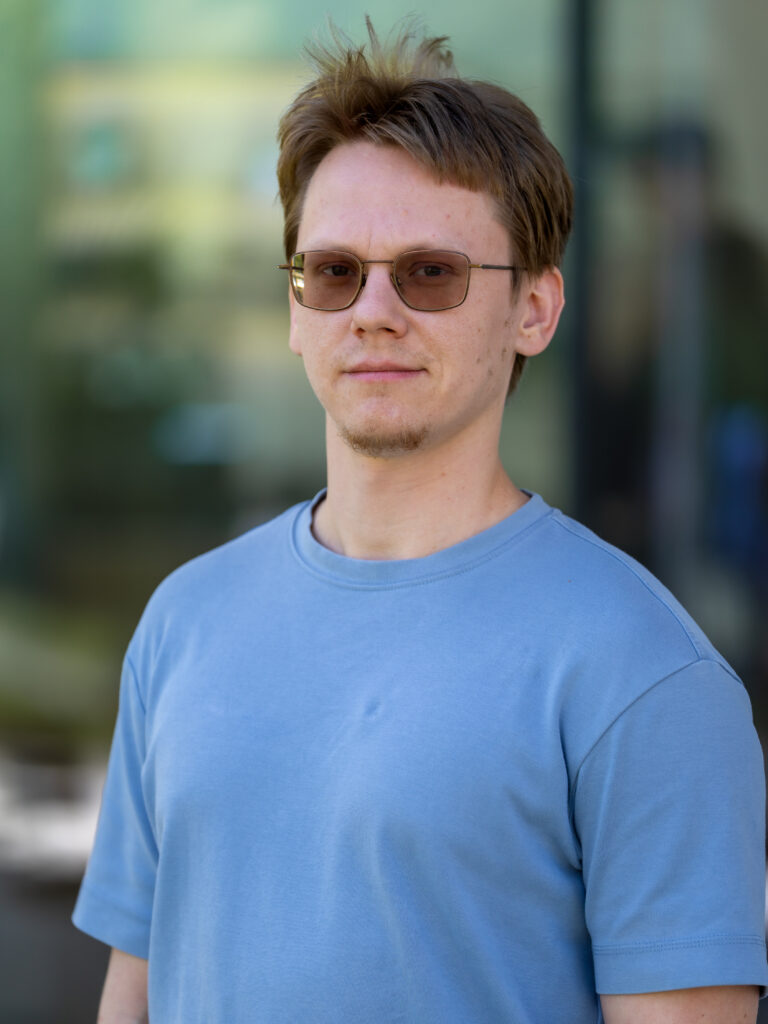
Meet Andrei,
I’m currently a PhD student at the Institute of Science and Technology Austria, where I work in the Danzl Lab. My research focuses on expansion microscopy for connectomics — pushing the boundaries of how we can physically and optically resolve the brain’s wiring. I am especially fascinated by the brain as an organ in its full structural and functional complexity and believe to tackle it with novel integrative methodologies.
The YSS represents to me an exciting opportunity to engage with researchers across disciplines — a space where complex, sometimes field-overturning questions can be asked and explored together in a safe and open atmosphere.
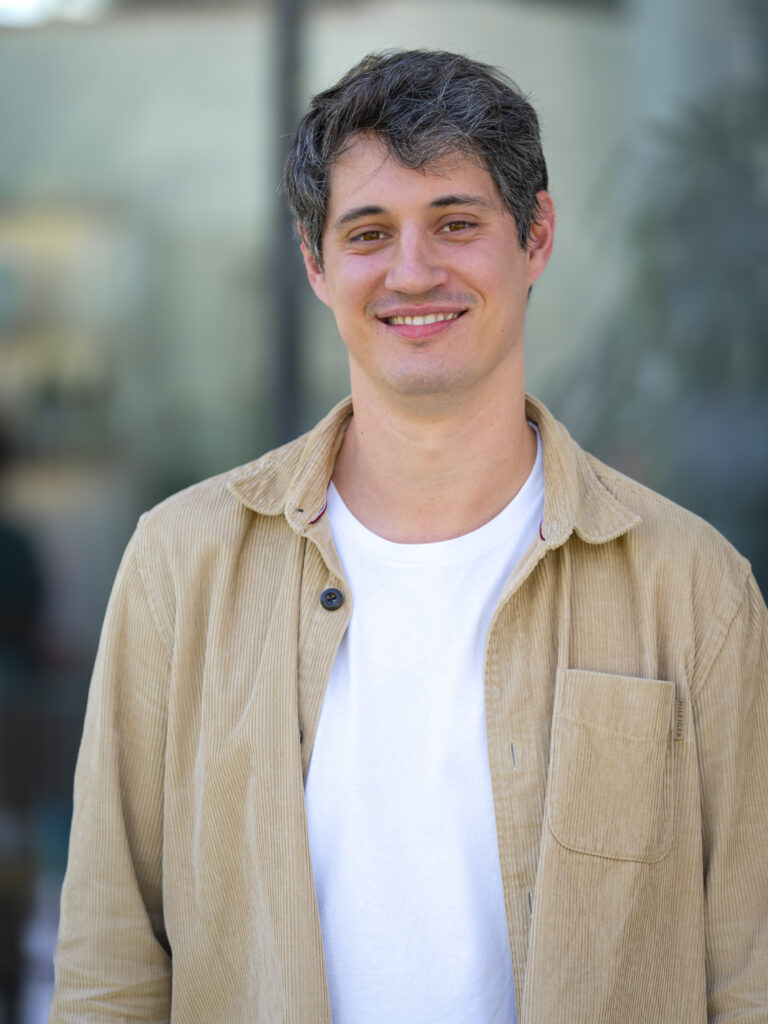
Meet Tomas,
I am captivated by the exquisite precision with which neuronal circuits assemble. To understand how this wiring specificity arises, I explore the combinatorial logic displayed by the cell recognition molecules that decorate neurons. To this end, I exploit tools from scRNAseq data mining, spatial proteomics, Drosophila genetics and ethological paradigms. I spearhead this work at the Neuroethology Group, under the supervision of Max Jösch. Prior to joining ISTA, I focused on the genomic study of Baculoviruses, a family of large DNA viruses that infects insects. I picture YSS as an unique opportunity to foster ideas exchange and collaborations among early-career researchers encompassing a wide range of topics.