 YSS26YSS26
Research Director at Centre de Recherches sur la Cognition Animale, Toulouse
Guy Theraulaz is a senior research fellow at the French National Centre for Scientific Research (CNRS) and a leading expert in the study of collective animal behavior and collective intelligence. His work lies at the interface of biology, physics, and computer science, with a particular focus on swarm intelligence. While his primary empirical models are social insects, his research also extends to distributed algorithms and bio-inspired approaches to collective robotics. His research aims to understand a wide range of collective phenomena in animal societies by quantitatively characterizing individual behaviors and interactions and integrating them into mechanistic models. This approach has helped elucidate how simple local interactions give rise to complex, emergent properties at the group level. He has published extensively on nest construction in ant and wasp colonies, collective decision-making in ants and cockroaches, collective motion in fish schools and human crowds, and collective estimation and stigmergic cooperation in human groups. He has co-authored five books, including Swarm Intelligence: From Natural to Artificial Systems (Oxford University Press, 1999) and Self-Organization in Biological Systems (Princeton University Press, 2001), both of which are widely regarded as reference textbooks in the field. In 2019, he was appointed Visiting Chair Professor in Collective Behavior at the Indian Institute of Science in Bangalore by the Infosys Foundation.
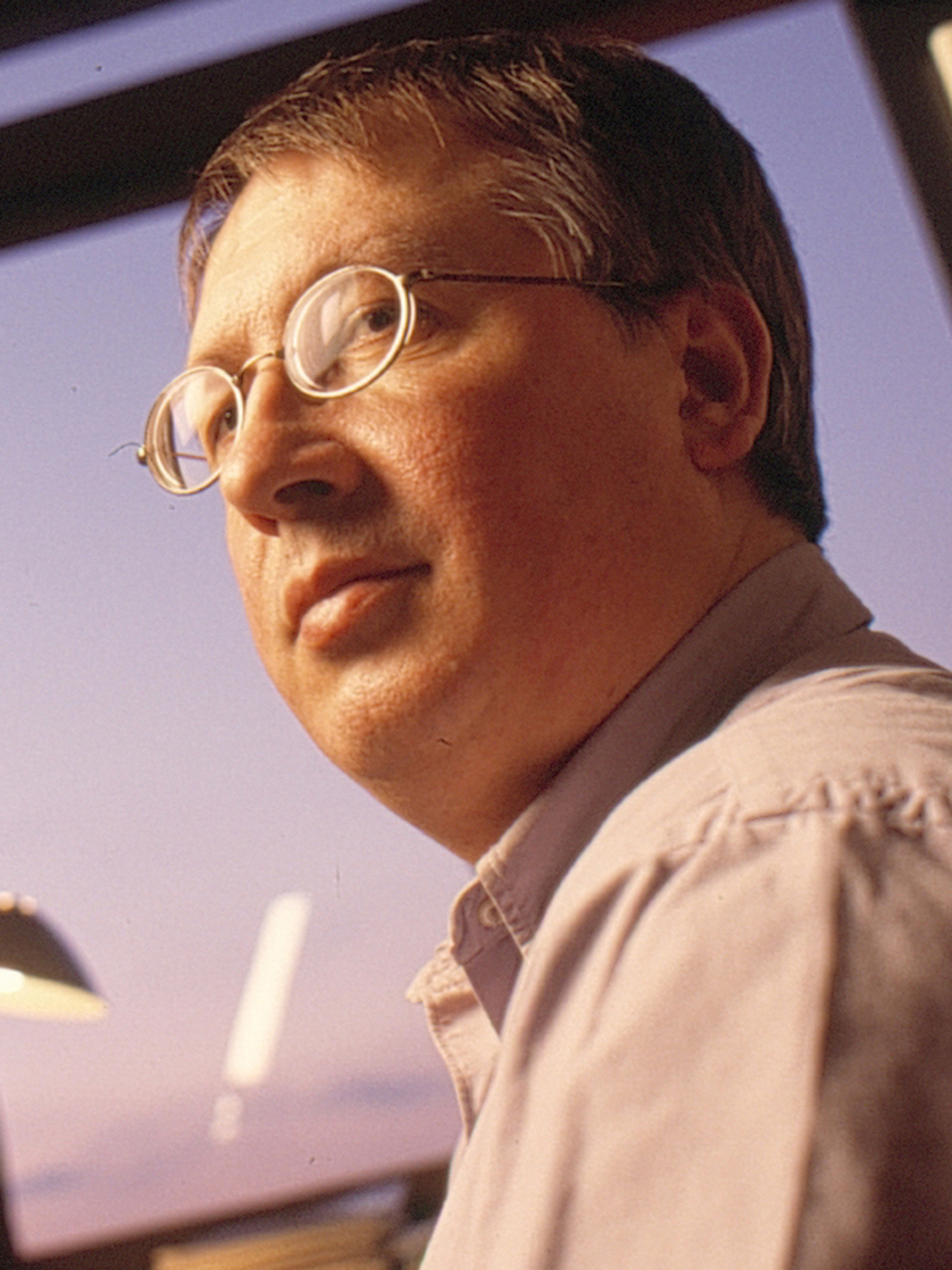
AMOLF, University of Pennsylvania
Menachem Stern leads the “Learning Machines” group at AMOLF, exploring learning in physical systems, particularly in the context of physically inspired learning rules. He is broadly interested in analogies between learning in physical networks and biological/computational systems. These fundamental connections suggest the use of physical systems as learning algorithms with novel properties, and for understanding learning and adaptation in nature. He holds a PhD in physics from the University of Chicago.
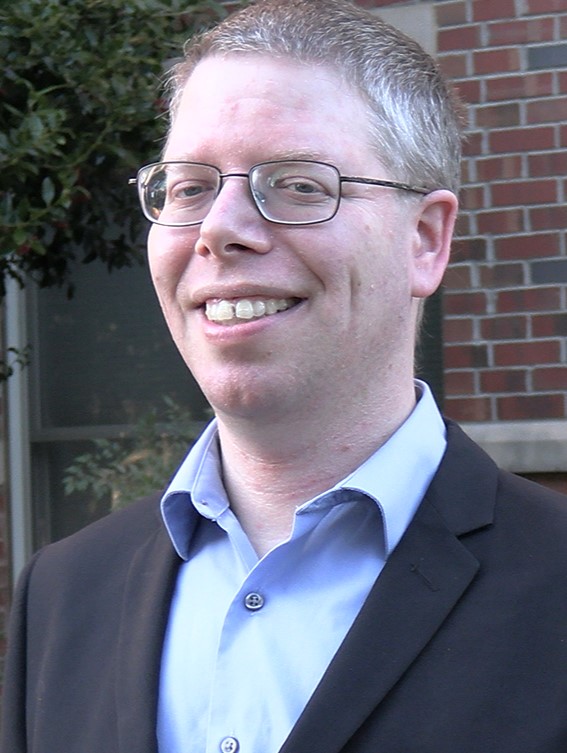

Max Planck Institute for Brain Research, Frankfurt am Main
Philipp is a Research Group Leader at the Max Planck Institute for Brain Research in Frankfurt, where he established the ‘Evolutionary Neuroscience and Behavior’ lab in 2025. His group investigates how the nervous system evolves behavior to derive general principles underlying neural circuit function and diversification. Leveraging the power of natural variation, Philipp aims to identify the core genetic and circuit mechanisms controlling behavior by isolating causal differences in the nervous system and their underlying genetic basis. Philipp earned his PhD in Population Biology at the University of California, Davis, where he worked with Santiago Ramírez and then moved to New York for a postdoc with Vanessa Ruta at the Rockefeller University.
Wellcome Sanger Institute, Hinxton
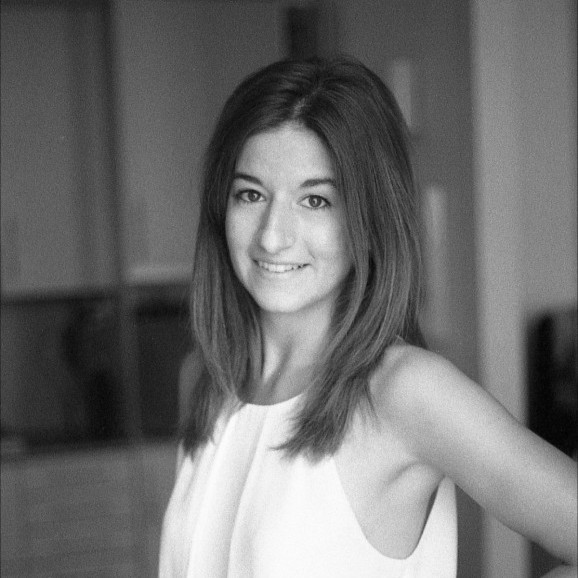

Max Planck Institute for the Physics of Complex System and Max Planck Institute of Molecular Cell Biology and Genetics, Dresden
Fridtjof earned his PhD in Physics at LMU Munich under the supervision of Prof. Erwin Frey. He then spent four years as a Postdoctoral Fellow at the Kavli Institute for Theoretical Physics in Santa Barbara, California. Since 2025, Fridtjof leads a Research Group at MPI–PKS and MPI–CBG. His work focusses on the physical principles that biology uses to generate forms and patterns.